

Lazy Eye In Children: Signs Parents Should Watch For
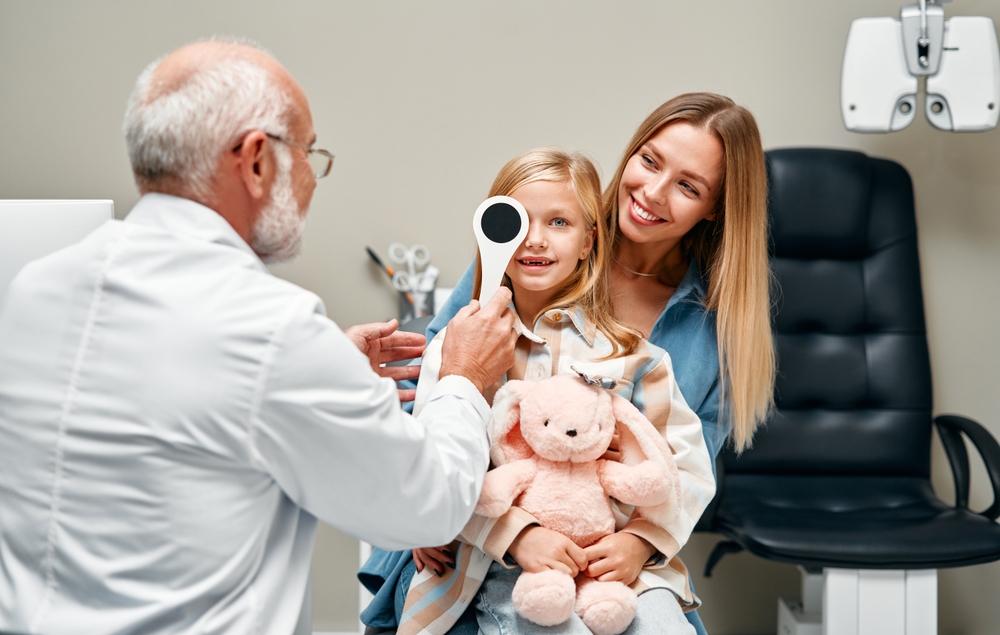
Amblyopia, often called lazy eye, is a childhood vision condition that can develop when one eye is not used as strongly as the other. Even if the eye itself looks healthy, the brain may begin to rely more on the stronger eye, which can affect how vision develops over time. Recognizing the signs early can help children get the right care while their visual system is still developing.
How Amblyopia Affects Vision
Amblyopia can affect how clearly a child sees, but it can also impact how both eyes work together. When the brain relies more heavily on one eye, depth perception and eye teaming may suffer. This can make certain everyday activities more difficult, including reading, catching a ball, judging distance, or staying focused during close-up tasks.
Children may not always know how to explain what they are seeing. Instead, they may avoid certain activities, lose interest in reading, or appear clumsy in situations that require accurate visual judgment.
Common Signs and Symptoms Parents Should Watch For
Parents should consider scheduling an eye evaluation if they notice signs such as:
• Squinting, closing one eye, or tilting the head
• One eye that appears to wander inward or outward
• Trouble with depth perception or frequent bumping into objects
• Difficulty reading, tracking words, or staying focused
• Complaints of blurry vision, eye strain, or headaches
• Poor performance with hand-eye coordination activities
These symptoms do not always mean a child has amblyopia, but they can point to a vision issue that deserves a closer look.
The Importance of Early Detection
The earlier lazy eye is identified, the more opportunity there may be to support healthy visual development. Amblyopia treatment is often most effective when the visual system is still developing, which is why parents should not wait for children to “grow out of it.”
A comprehensive vision evaluation can help determine whether amblyopia, eye teaming issues, focusing problems, or another concern is affecting a child’s vision. From there, the right treatment plan can be recommended based on the child’s needs.
Treatment Options For Lazy Eye
Treatment for amblyopia is personalized. Some children may need updated prescription lenses, while others may benefit from more advanced support to help both eyes and the brain work together more effectively.
Vision therapy is one treatment option that can help train the weaker eye, improve eye coordination, and support better binocular vision. Instead of focusing only on clarity, vision therapy works on how the eyes and brain communicate during daily visual tasks.
Shaw lenses may also be recommended for some children with amblyopia. These specialty lenses are designed to help balance the visual input between both eyes, which can make it easier for the eyes to work together. For children whose amblyopia is connected to differences in prescription or image size between the eyes, Shaw lenses can be an important part of care.
Helping Your Child See More Comfortably
Lazy eye can be easy to miss, but it can have a meaningful impact on a child’s vision, confidence, and daily learning. If you notice signs of amblyopia or have concerns about how your child uses their eyes, a thorough evaluation with Dr. Valerie Frazer can help identify the cause and guide the next step.
Schedule an amblyopia evaluation with New Horizons Vision Therapy Center to learn more about personalized treatment options. Contact either our Waunakee (near Madison, WI) or Waukesha, Wisconsin locations, by calling (608) 849-4040 to schedule a consultation today.


© 2026 New Horizons Vision Therapy Center . All Rights Reserved. Accessibility Statement | Privacy Policy | Sitemap
Powered by:
