

Blog list
New Horizons Vision Therapy Center Blog
Learn more about vision therapy care in our blog!
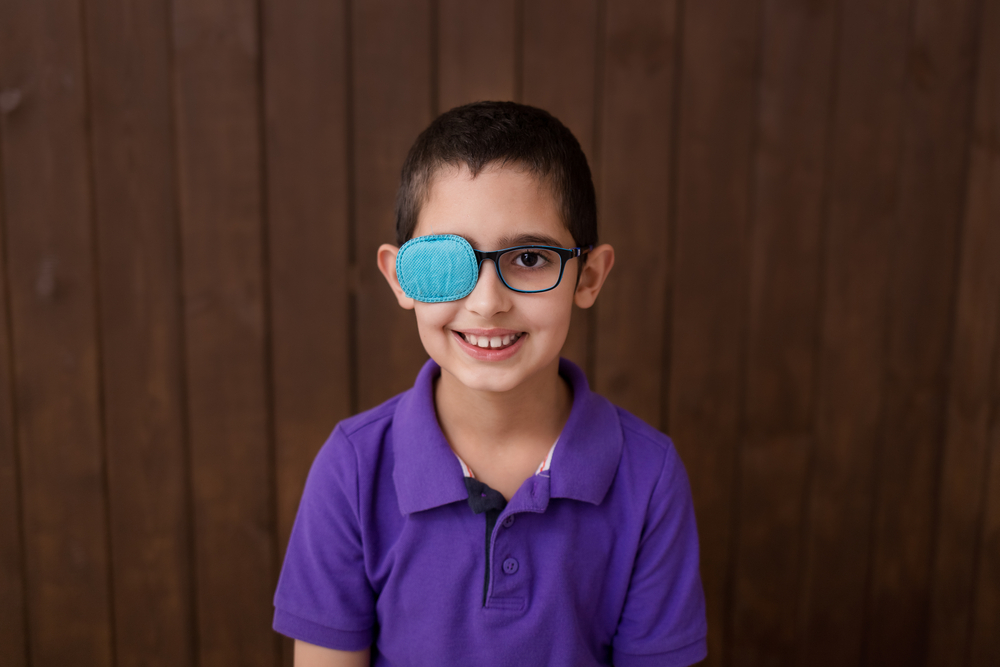
When parents hear that amblyopia, commonly called lazy eye, develops during early childhood, they may assume treatment is no longer worthwhile once their child gets older. While earlier treatment is encouraged, older children and teens may still have opportunities to improve how their eyes and brain work together. At New Horizons Vision Therapy Center, we provide individualized amblyopia treatment and vision therapy based on each patient's specific visual needs.

As students prepare to head back to school, parents often focus on school supplies, schedules, and homework routines. However, one important factor is frequently overlooked: how well your child's visual system handles the demands of learning.

Many parents are surprised to learn that passing a school vision screening or having 20/20 eyesight does not mean a child has efficient vision for learning.

When a child struggles with reading, the first thought is often a learning disability like dyslexia. While dyslexia is a very real and important diagnosis, it’s not the whole picture. Vision, especially how the brain processes visual information, plays a critical and often overlooked role in reading performance, fluency, and comprehension.
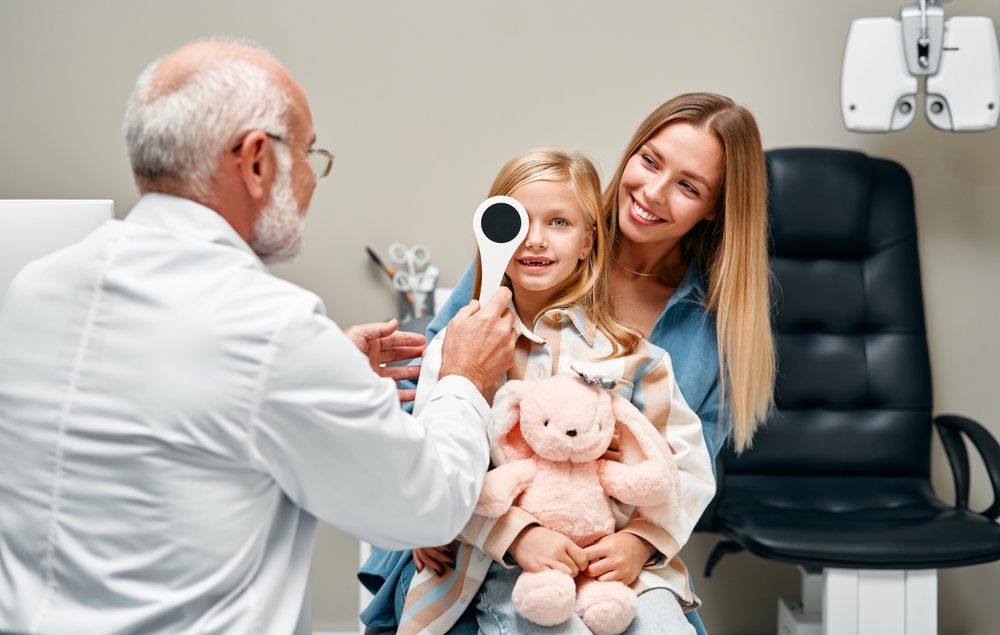
Amblyopia, often called lazy eye, is a childhood vision condition that can develop when one eye is not used as strongly as the other. Even if the eye itself looks healthy, the brain may begin to rely more on the stronger eye, which can affect how vision develops over time. Recognizing the signs early can help children get the right care while their visual system is still developing.
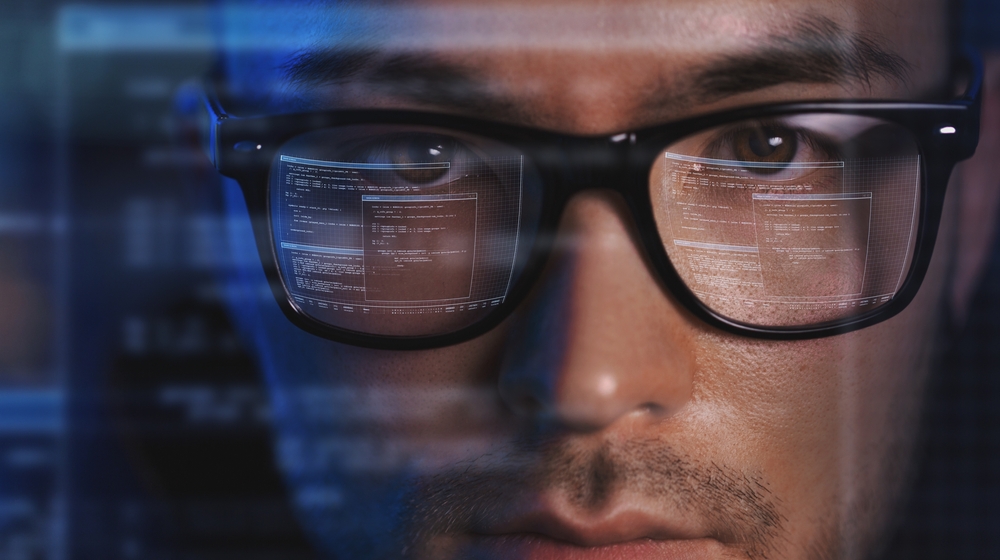
Standard glasses are designed to correct common refractive errors like nearsightedness, farsightedness, and astigmatism. Neurolens glasses go a step further by addressing eye misalignment that can contribute to symptoms such as headaches, eye strain, neck pain, and fatigue during reading or screen use.

March is recognized nationwide as Brain Injury Awareness Month, a time dedicated to increasing understanding of traumatic brain injury (TBI), concussion, and other acquired brain injuries.
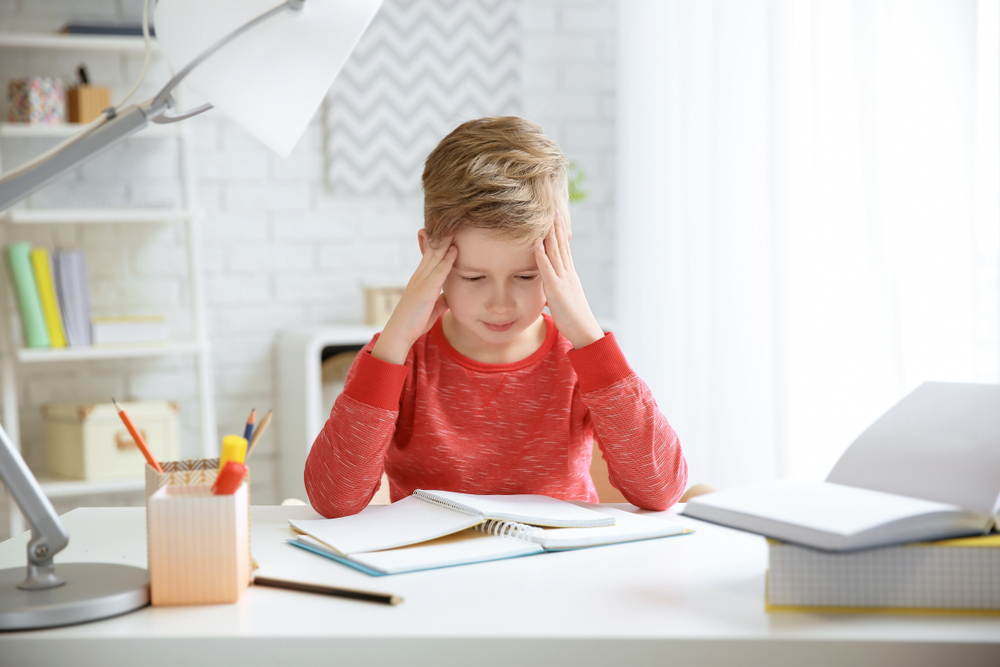
When a child struggles with attention, learning, or behavior, vision is not always the first thing parents think about. Most people assume that if a child can see clearly and passes a school vision screening, their vision is fine.

When we think of vision, most of us think of 20/20 eyesight. But seeing clearly is only one small part of how the visual system functions. There are 17 crucial visual skills that children need for reading, writing, attention, and academic performance.

When people think of vision problems, they often imagine blurry eyesight corrected with standard glasses or contact lenses. But not all vision issues are solved so easily. One lesser-known condition, binocular vision dysfunction (BVD), often goes undiagnosed because it hides behind symptoms like headaches, dizziness, or difficulty concentrating.


© 2026 New Horizons Vision Therapy Center . All Rights Reserved. Accessibility Statement | Privacy Policy | Sitemap
Powered by:
